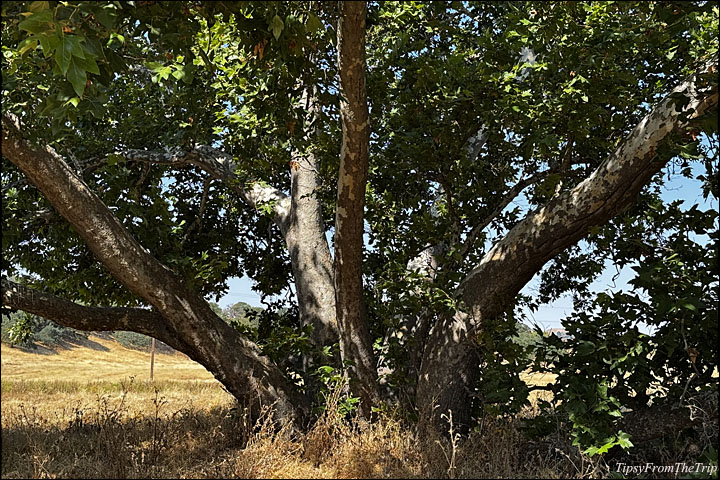
Have you met these Sycamores yet? If you have, you know they stand out from their surroundings. If not, you just might recognize them the next time you see them. Say Hi to the Western Sycamore!
Western Sycamores look like natural sculptures out in the open; their limbs stretched out and curved like they’re in a dance pose. These trees are such works of art:
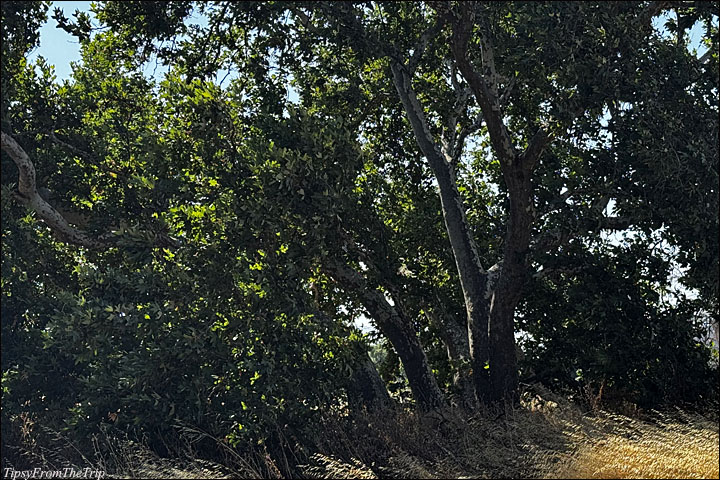
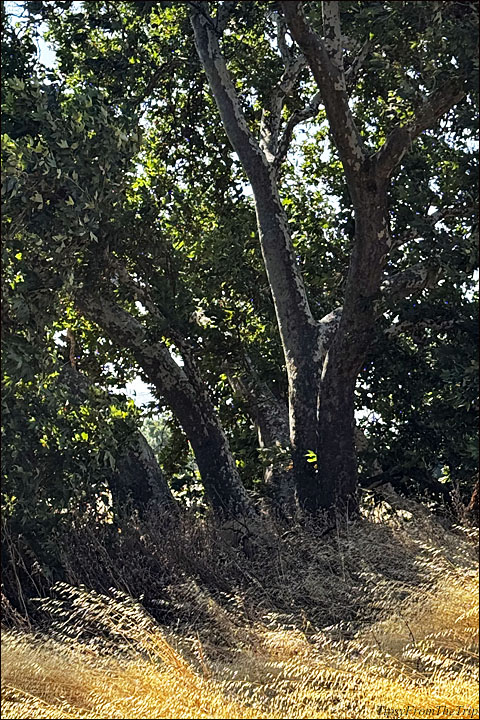
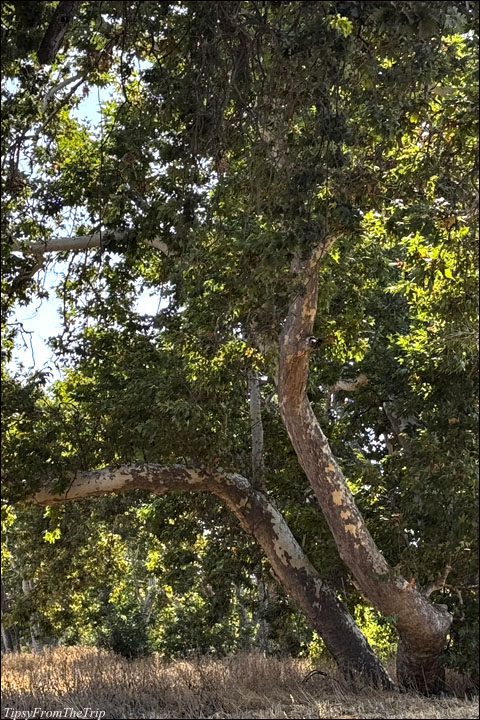

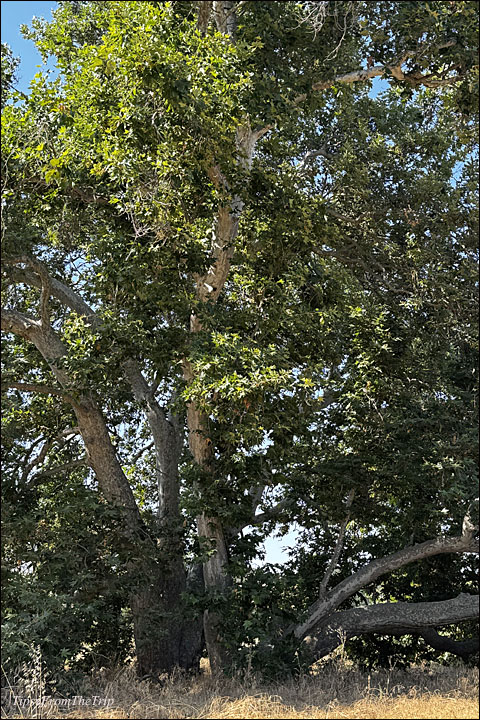

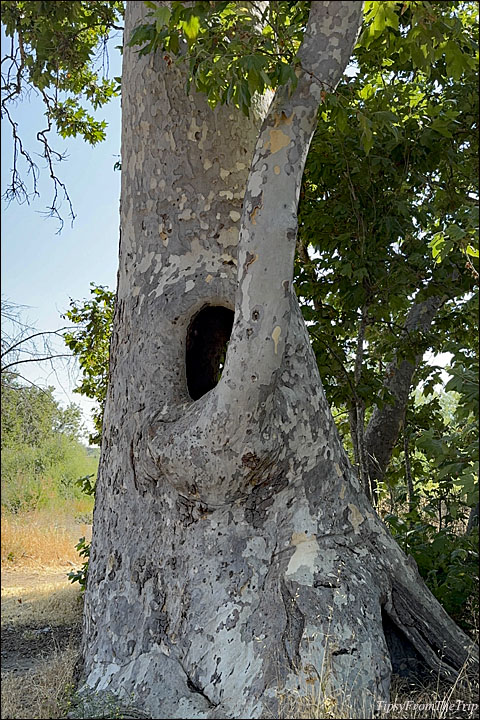
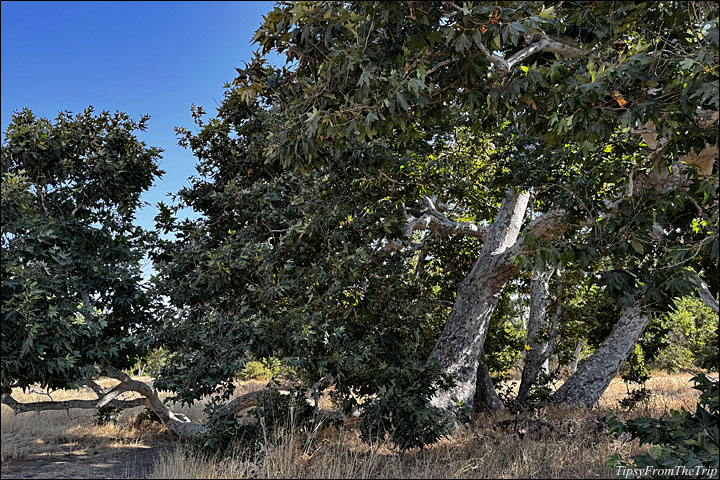
They spread out majestically, like a claim to the area. And the dense foliage that crowns them seems to echo the idea. They can grow up to a height of 100ft. and spread over 50ft in area. The clustered look of these graceful giants might be because of the seeds they drop, and the fact that the parent tree plays something like the Phoenix. I just learnt that the older trees usually allow suckers to use their root system and expand as the older tree begins to slip into senility. The newer stems use the resources they were generously handed, and gradually grow into a new tree.
The Western Sycamore, also known as the California Sycamore, is said to be native to the sunny state on the US West Coast. It thrives in soil that’s well-drained yet close to a natural water source, or where its roots can reach into the water table. This variety of the Sycamore also provides shelter to several birds like the Red-shouldered Hawk, Magpies, Acorn Woodpeckers and Barn Owls.

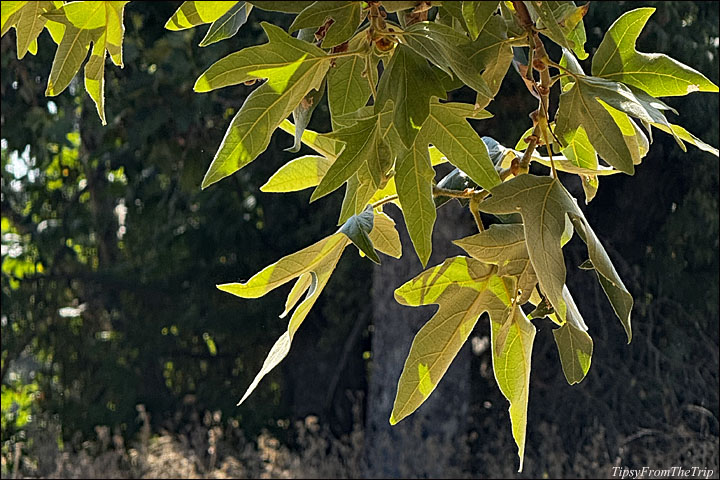
If you are in the San Francisco Bay Area, you can see these trees in Sycamore Grove Park in Livermore, CA. This East Bay park is said to be ‘the third largest stand of Western Sycamores in California.
I enjoyed reading and learning about this tree that I’ve been seeing for a few years now, and I’d love to know more. If you have more information on the Western Sycamore, I’d love to hear about it in the comments. And if you are interested in learning and writing about trees, you could join TTL on Parul’s blog.
Meet:
California’s State Tree
Other interesting trees featured on this blog
Linking to —
My Corner of the World
Thursday Tree Love


That is so beautiful. Loved the pictures. I so want to see the trees on the west coast :)Thank you for sharing and joining.
Isn’t it?
Thank you, Parul. And I’m waiting to see you when you get this side. 😉
Thank you for hosting TTL, girl! <3
…being a tree hanger, I’m intrigued by this one, it’s quite different than our sycamore’s! Thanks, Dee.
Is it really? Nice to know that!
I’d love to your Sycamores — maybe in your mish-mash series, soon. 😉
Thank you for visiting, Tom. 🙂
It’s interesting to see the similarities (mottled bark) and differences (spreading trunks) between these and sycamores on the east coast of the US. When we lived in Wilmington, NC, we had a tall sycamore that got pushed into a lean by a hurricane. It stood like that for many years and sent up another trunk opposite the lean. I can only hope it’s still there since we sold the house last year.
Hi Joanna,
That’s nice to learn — that the barks of the varieties are the same.
Whoa!
That’s interesting — it sounds like the Sycamore was trying to work on creating a balance. So impressive.
Thank you so much for sharing all this, Joanna.
Beautiful photos. Thank you so much for sharing. Warm greetings from Montreal, Canada ❤️ 😊 🇨🇦
Hey Linda,
Welcome here. Thank you so much.
<3 <3
Hi Sycamores
You are majestic and magical in a way.
Loved the pic of leaves closeup.
Thanks for sharing
My Tree Love – https://praguntatwa.com/echoes-of-the-elements/
Oh yeah, they’re quite a sight.
Thank you for visiting, Prachi. 🙂
What a fascinating read! The Western Sycamore really is like a living sculpture, and I love how it supports new growth around it. It made me think of how Nvocc companies in Karachi help keep things moving smoothly—just like these trees create a thriving ecosystem, strong networks keep everything connected and growing.